Staying active this winter
January has passed, yet the cold, damp weather persists. Such conditions can negatively affect both mood and health. Warmer environments, access to green spaces, and adequate natural light and vitamin D are all associated with improved wellbeing.
So what can we do?
In short: stay warm and stay active. While this may sound simple, it remains effective advice. Counterintuitively, one of the best ways to keep warm is to move regularly and, where possible, leave the house for a bit each day. Even light activity, such as a short walk, can help raise body temperature and improve circulation. While this is not a substitute for maintaining a safe indoor temperature, it can certainly help.
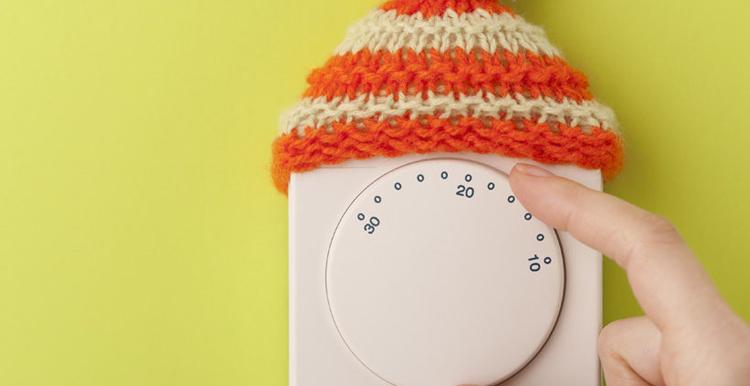
Many people struggle to afford heating costs during the winter, yet colder indoor environments can increase health risks, particularly when body temperature drops. Current guidance suggests maintaining indoor temperatures at a minimum of 18°C , and closer to 20°C for those who are more vulnerable. Organisations such as National Energy Action provide practical advice on managing energy costs and keeping homes warm, and simple room thermometers can help monitor temperatures effectively.
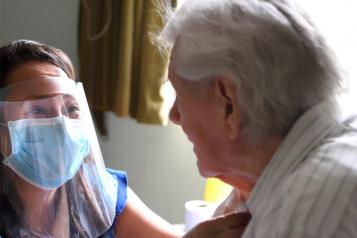
Staying active and leaving the house also supports social wellbeing. As we age, we are more likely to spend extended periods at home, often alone, which can increase feelings of isolation. At Reach and Connect we regularly support individuals experiencing loneliness, and many express a desire to be more active but postpone plans until the weather improves.
Remaining at home for long periods can quickly become habitual, making it harder to go out and negatively affecting both physical and mental health. Reduced activity, limited social contact, and increased heating use can compound these effects. Conversely, spending time outside the home reduces heating costs while encouraging movement and connection.
Although outdoor activity has clear benefits, being “out” does not necessarily mean being outdoors. Haringey offers a range of Warm Spaces where residents can stay warm, socialise, or simply spend time comfortably indoors. There are also numerous local groups, activities, and opportunities to visit others. Making use of these resources can provide meaningful health, social, and financial benefits.